
Who We Are.
The Guthsville Rod & Gun Club is a shooting and fishing, club located in beautiful Orefield, Pennsylvania – just north of Allentown. The Club takes its name from the village a few miles northwest of the intersection of routes 309 and 22.
The earliest written records of club activity still in existence date from the mid-1940’s but some of our older members tell us that the club was operational years before. The Guthsville Club has state-of-the-art facilities including top-quality outdoor shooting ranges, an indoor shooting range (reserved for matches and organized practices), a trap range, and club meeting building.
The Facilities.

Facility 1
- A Bullseye pistol 25 and 50-yard range that has a covered firing line.
- A 25-yard range.
- A plinking range.

Facility 2
- 50 and 100-yard rifle ranges. The 100-yard range has a covered firing line.
- A special purpose 35-yard.
- An informal trap range with a commercial grade thrower.

Facility 3
- A range reserved for Black Powder shooting.
- A 50-foot range.
- A basic archery range.

Rifle Winter League.
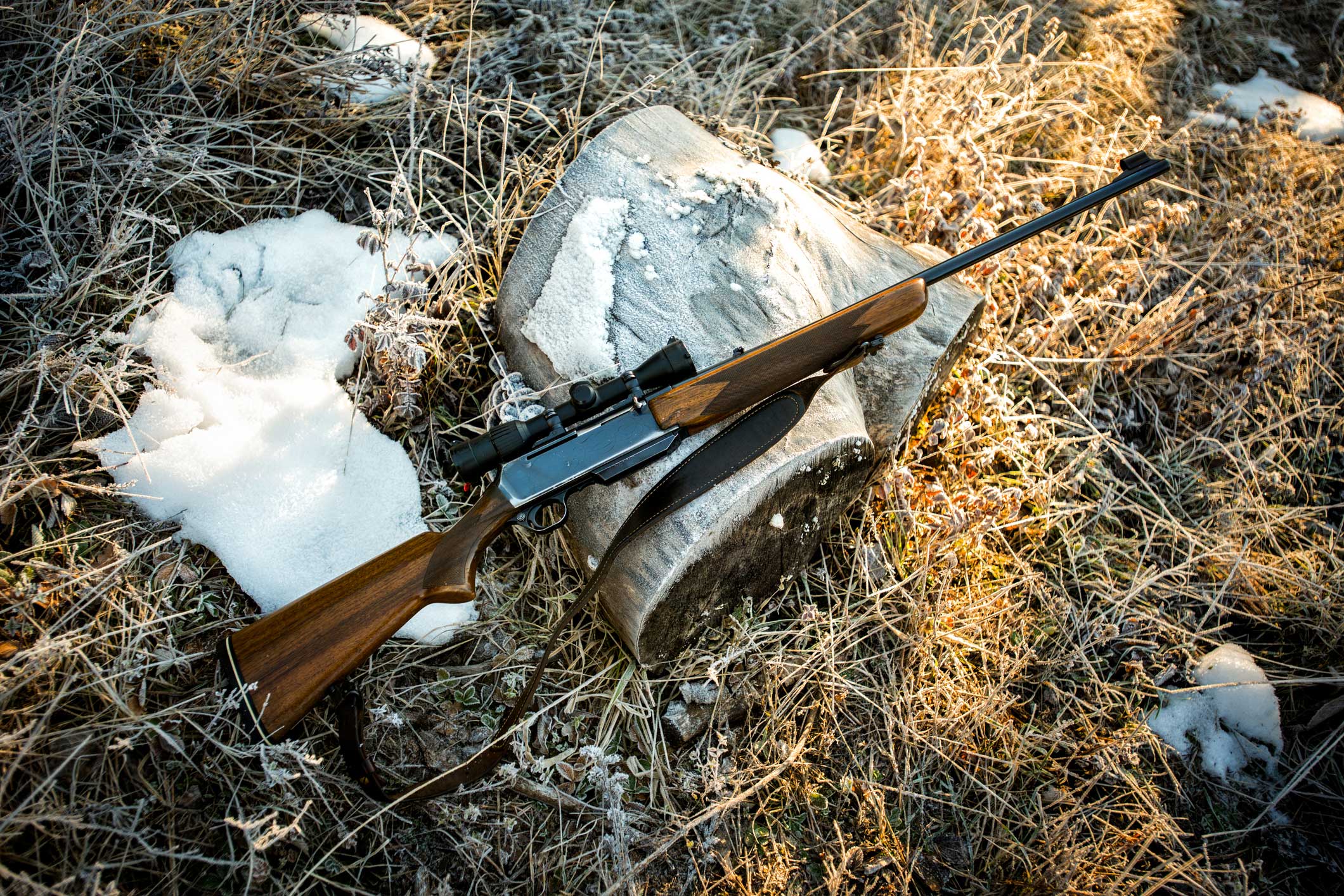
The Guthsville small bore rifle winter league is a series of six (6) matches held monthly from October through March. The matches are held on the third Saturday of each month. In addition to the matches, weekly Thursday night practice sessions are held throughout the season. Please check the club calendar for exact dates and times.
The winter league matches and practice sessions are held in the indoor range. Matches are geared towards the experienced competitor. Junior shooters with prior competition experience are always welcome. For the inexperienced shooter who is interested in participating, it is recommended they attend some practice sessions. This provides the opportunity to become familiar with the match format.
For additional information, contact Phillip & Julie Latzgo at jmlatzgo@ptd.net.
Shooting Sports.
On these ranges, Guthsville hosts bullseye, Steel, IDPA matches and both Smallbore and CMP competition. Several three positions and prone only small-bore matches are held in our newly constructed, state of the art, twenty-five-yard indoor range.
Guthsville is proud of its public service range. This range is constructed primarily for police training. Guthsville has long provided its services to area police units and recently set aside a range specifically for that purpose.

Bullseye
Bullseye.
Bullseye shooting is the second most popular shooting discipline. Bullseye is shot one-handed at 25 yards. Any .22 caliber or centerfire caliber .32 or higher may be used. Weapons may be semi-auto or revolver with open sights or red-dot scopes. It is recommended for new shooters to start with a .22 caliber gun. Guthsville Rod & Gun Club hosts two Bullseye Leagues – Guthsville Pistol Club and Queen City Pistol League. There are summer and winter leagues. The summer league shoots every Friday from May through September, beginning at 6 p.m. The league shoots on the 25/50 yard range outdoors. The winter league is shot in the indoor range. The indoor league shoots from November through April and starts at 6 p.m. You do not need to be a club member or an experienced bullseye shooter to shoot in the league. For questions or more information, contact Bob Danner at 610-504-0975, robertdanner2@gmail.com

Outlaw Pistol & PCC Program
Outlaw Pistol & PCC Program.
Hello. Thank you for showing interest in Guthsville R&G Club’s Outlaw Pistol and PCC Program
We have moved away from IDPA for a number of reasons and adopted an Outlaw pistol and pistol caliber carbine program. This program will reduce both cost to the club and our competitors and allow more freedom to include both more types of firearms and targets . This program will be a mix of IDPA,USPSA and steel , with a lot less rules and regulations. Scoring will be IDPA and IDPA targets with only .5 seconds down instead of 1 second down, reloads will be wherever you safely want and magazines may be dropped at any time anywhere just to name a few. The schedule will be the same as it was with IDPA 1st Sunday of the month April -December with a few exceptions that will be on the club calendar . Rules will also be posted on the website, if any question please don’t hesitate to contact match director Ed Sweigert voltman32 @yahoo.com or John Ebersole pistolxdm@gmail.com
- All guns are always loaded.
- Never let the muzzle cover anything you are not willing to destroy.
- Keep your finger off the trigger till your sights are on the target.
- Identify your target, and what is behind it.
Unsafe firearm handling will result in immediate Disqualification (DQ) from a match. The following is a nonexclusive list of unsafe behaviors.
- Endangering any person, including yourself. This includes sweeping one’s self or anyone else with a loaded or unloaded firearm. Sweeping is defined as allowing the muzzle of the firearm (loaded or unloaded) to cross or cover any portion of a person. Exception: Some body types combined with some holster types makes it almost impossible to holster a firearm or remove the firearm from the holster without sweeping a portion of the shooter’s lower extremities. Thus, a match Disqualification is not applicable for sweeping of the shooter’s own body below the belt while removing the firearm from the holster or holstering of the firearm, provided that the shooter’s trigger finger is clearly outside of the trigger guard. However, once the muzzle of the firearm is clear of the holster on the draw, sweeping any part of the body is a Disqualification. Example: Sweeping one’s leg on a seated start is a DQ.
- Pointing the muzzle beyond designated “Muzzle Safe Points” if used, or beyond the 180-degree Muzzle Safe Plane if used.
- Intentionally engaging (discharging the firearm) anything other than a target or an activator.
- A discharge:
- In the holster.
- Striking up range of the shooter.
- Into the ground downrange closer to the shooter than 2 yards, unless engaging a low target that is within 2 yards.
- Over a berm.
- During Load And Make Ready, Unload and Show Clear, Reload, or Malfunction Clearance.
- Before the start signal.
- While transferring a firearm from one hand to the other.
- While handling a firearm except at the firing line.
- Removing a firearm from the holster, unless:
- With verbal instruction from a SO.
- While engaging targets in a CoF under the direct supervision and visual contact of a SO.
- When in a designated “Safe Area”.
- Pointing the muzzle over the berm during the “Pull the Trigger” portion of Unload and Show Clear. G. Drawing a firearm while facing up range.
Dropping a loaded or unloaded firearm or causing it to fall, during Load And Make Ready, the shooting of a string or stage, reloads or malfunction clearance or during Unload and Show Clear will result in disqualification from the match. If a shooter drops a firearm, the SO will immediately give the command “Stop”. The SO will pick up/recover the dropped firearm and render it safe and unloaded before returning it to the shooter. The shooter will be disqualified from the match.
Pistols used in competition will be serviceable and safe. The responsibility for safe and serviceable equipment falls completely on the shooter. The MD will require a shooter to withdraw any pistol or ammunition observed to be unsafe. In the event that a pistol cannot be loaded or unloaded due to a broken or failed mechanism, the shooter must notify the SO, who will take such action as he/she thinks safest.
- Each Safe Area must be clearly identified by visible signage and include a table with the safe direction and boundaries clearly shown.
- Unloaded firearms may be handled at any time. This area is used for bagging or un-bagging a firearm, holstering, drawing, dry firing, or equipment adjustment.
- A Safe Area may also be used for inspections, stripping, cleaning, repairs, and maintenance of firearms, ammunition feeding devices, or related equipment.
- The muzzle of the firearm must be pointed in a safe direction.
- Handling of ammunition loaded ammunition feeding devices, loose rounds, dummy ammunition, snap caps, simunitions, training rounds, or loaded firearms is not permitted in safe areas.
- A Safe Area may also be used, while accompanied by a SO, to render safe a firearm that has locked up and contains a live round or rounds.
- Range Is Hot - Eyes & Ears: This is the first command given to each shooter starting the action of shooting a stage. This command signifies the start of the CoF. The shooter will make sure that their eye and hearing protection is in place. It is also notification to anyone in the shooting bay to check that their own eye and hearing protection is properly fitted.
- Load and Make Ready: When the shooter has proper eye and hearing protection, the SO will issue the Load and Make Ready command. The shooter will prepare the firearm and magazines to match the start position for the stage. Typically, this is to load the firearm and holster, but may include non-typical loading or staging of equipment. The shooter will then assume the starting position necessary for the stage. If the shooter’s firearm is not to be loaded for the start of a stage the command used will be “Make Ready.”
- Are You Ready? After “Load and Make Ready,” the SO will ask the shooter “Are You Ready?” If ready, the shooter should respond verbally, or by obvious nodding of the head, but may also choose to stand ready. If there is no response from the shooter in approximately 3 seconds, the shooter is assumed to be ready. If the shooter is not ready when this question is asked the shooter must respond “Not Ready”. If the shooter continues to not be ready, the shooter must take a step out of the starting position. When ready, the shooter will assume the starting position and the “Are You Ready” question will be asked again. The shooter is expected to be ready to proceed approximately 15 seconds after the “Load And Make Ready” command. If the shooter is ill prepared and needs more than fifteen seconds to get ready, the shooter will be advised that he/she is being given approximately 15 seconds more to prepare. If the shooter is still not ready after that period, he/she will receive a Procedural Error penalty and will be moved down in the shooting order.
- Standby: This command is given after the shooter is ready. This command will be followed by the start signal within 1-4 seconds. The shooter may not move or change positions between the “Standby” command and the start signal, unless required to do so by the CoF.
- Finger: This command is given when the shooter’s finger is not obviously and visibly outside the trigger guard when it should be, as noted above.
- Muzzle: This command is given when the muzzle of the shooter’s firearm is pointed near a muzzle safe point. The shooter must correct the errant muzzle and continue with the stage. See muzzle safe points above.
- Stop: This command is given when something unsafe has happened or is about to happen during a stage, or when something in the stage is not correct. The shooter must immediately stop all movement, place the trigger finger obviously and visibly outside the trigger guard, and await further instruction. Failure to immediately stop and remove the trigger finger from within the trigger guard will result in Disqualification from the match.
- If Finished, Unload and Show Clear: This command will be issued when the shooter has apparently finished shooting the stage. If the shooter is finished, all ammunition will be removed from the firearm and a clear chamber/cylinder will be shown to the SO. If the shooter is not finished, the shooter should finish the stage and the command will be repeated.
- If Clear, Slide Forward or Close Cylinder: Once the SO has inspected the chamber/cylinder and found it to be clear, this command will be issued and the shooter will comply.
- Pull the Trigger: The shooter will point the firearm at a safe berm and pull the trigger to further verify that the chamber is clear. If the firearm fires, the shooter will be disqualified from the match. This requirement also applies to firearms with a de-cocker or magazine disconnect. For firearms with a magazine disconnect, an empty magazine, or dummy magazine must be inserted before the trigger is pulled, and then removed again. This command is not needed for revolvers.
- Holster: The shooter will safely holster the firearm.
- Range is Clear: This command indicates to everyone within the stage boundaries that the range is clear. This command ends the CoF and begins the scoring and resetting of the stage.
- The best hits on a target are used for score. This gives the shooter the option to make up misses or hits that he or she are not satisfied with to improve their score. When the shooter does not fire enough rounds at a target, the unfired rounds are counted as misses and a Procedural Error penalty is assessed for not following the written stage description.
- To tally a score, take the time it took to complete the strings of fire (raw time from the shot timer) and total up the points down from each target. The raw time is added to the total points down for the stage multiplied by .5 second, and then added to any other penalties if applicable.
- Shoot throughs will not count.
- Black painted targets are hard cover.
- Each hit on a Non-Threat adds 5 seconds to the shooter’s score.
- Procedural errors [failure to follow stage instructions] will be 3 seconds.
- “Head” refers to the part of the cardboard IDPA silhouette above the neckline. Shots designated for the “head” or “head only” must hit the part of the cardboard silhouette within the scoring area above the neckline, or they are counted as a miss, even if they hit another part of the silhouette.
- “Body” refers to the part of the cardboard silhouette below the neckline. Shots designated for the “body” or “body only” must hit the part of the cardboard silhouette within the scoring area below the neckline, or they are counted as a miss, even if they hit another part of the silhouette.
- Fault lines will be used to designate the stage boundaries.
- P-45 – 45 Caliber ONLY – 8 ROUNDS IN MAGAZINE 165,000 PF.
- STOCK PISTOL – 9MM MINIMUM – 1911 STYLE, (SINGLE OR DOUBLE STACK), STRIKER FIRED PISTOLS i.e. GLOCK, M & P, SPRINGFIELD 10 ROUND MAXIMUM IN MAGAZINE – 125,000 PF.
- CARRY OPTIC – 9MM MINIMUM – ANYTHING OTHER THAN STANDARD POST SIGHTS 10 ROUND MAXIMUM IN MAGAZINE – 125,000 PF.
- REVOLVER SIX OR EIGHT ROUNDS, SPEED LOADERS OR MOON CLIPS – 105,000 PF.
- OPEN – 9MM MINIMUM – ANYTHING NOT LISTED ABOVE, 10 ROUND MAXIMUM IN MAGAZINE – 125,000 PF.
- PCC—OPTIC – YES- 10 ROUND MAXIMUM IN MAGAZINE.
- Concealed Carry- Same as stock pistol but concealment is required [IDPA Style].
- NOTE: ANY MAGAZINE POSITIONED IN FRONT OF THE HIP BONE OR USE OF A RACE TYPE HOLSTER PLACES YOU IN “OPEN”.
- Junior - Under 18
- Lady
- Senior - 55-65

Steel Shooting
Steel Shooting.
Guthsville is home to the PA Steel League. Experienced and New Shooters alike are welcome to participate in the matches. You do not need to be a member of Guthsville to participate. Steel Shooting is one of the fastest growing shooting sports in the country. It is easy to get started and a great portal into other shooting sports. The PA Steel league is made up of 7 member clubs hosting a total of 14 matches each year.

Junior Shooters
Junior Shooters.
Guthsville Rod & Gun Club offers a Junior Shooters Program for Juniors aged nineteen (19) and younger. GRGC Membership is not required to participate in this program.
Our goal is to educate the participant on the right and privilege to bear arms with an emphasis on gun safety and proper handling constructed around the discipline of Smallbore Precision Prone (22 Rimfire). This program provides the participant with the opportunity to enter the world of competitive shooting and prepares them for continued adult league competitive shooting opportunities after they age out of the program.
The Junior Shooters meet every Wednesday evening from 6:00 pm to 7:30 pm and members of the Jr. Rifle Team compete against shooters from four (4) other teams in the region. Volunteers and parents are welcome to attend practices.
If you have any questions or for more information, please contact Mark Laudenslager at mark9338@gmail.com.